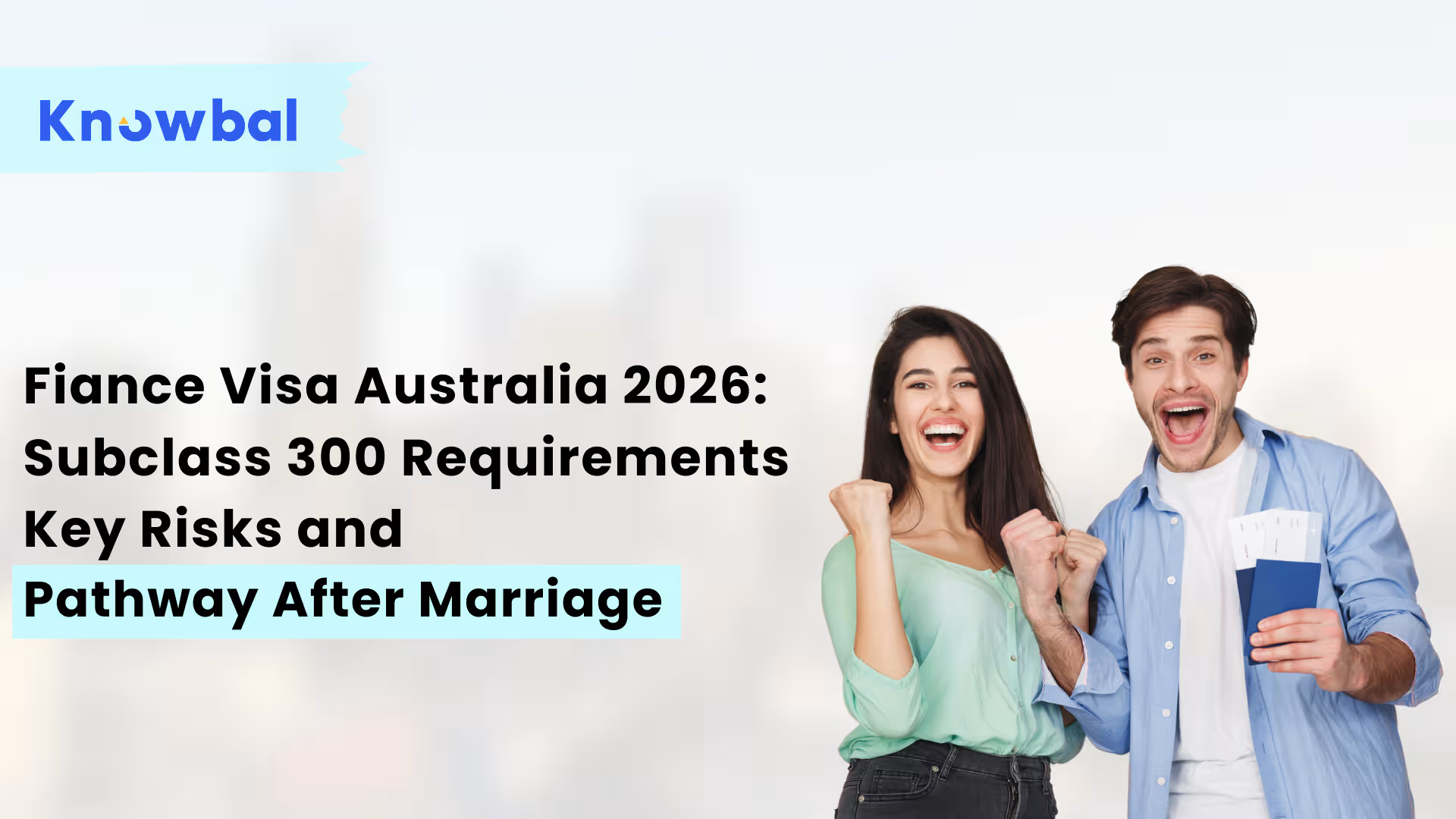
Planning a future with your fiance in Australia is exciting, but navigating the migration system can be challenging. The Prospective Marriage Visa (Subclass 300), commonly known as the Fiance Visa, allows an engaged partner of an Australian citizen, permanent resident or eligible New Zealand citizen to travel to Australia, marry their partner and continue their journey towards permanent residency.
With increasing application scrutiny and detailed documentation requirements, submitting a complete, well-prepared application matters more than ever. This guide covers eligibility, evidence, healthcare, common reasons for refusal, fees, and what happens after your marriage.
At a Glance – Subclass 300 Visa (2026)
What is the Prospective Marriage Visa (Subclass 300)?
The Subclass 300 visa is designed for couples who are genuinely engaged but not yet married. It allows the applicant to travel to Australia, marry their sponsoring partner within the visa validity period and then apply for the onshore Partner Visa (Subclass 820/801).
Unlike Partner Visas, which require couples to already be married or in a de facto relationship, the Subclass 300 caters to couples who intend to marry in Australia. Successful applicants can live in Australia during the visa's validity, work without restrictions, study, travel freely, and apply for the onshore Partner Visa after marriage.
Who is Eligible?
Eligible sponsor. Your sponsor must be an Australian citizen, Australian permanent resident or eligible New Zealand citizen who meets the sponsorship requirements.
Age requirement. Both the applicant and sponsor must generally be at least 18 years old.
Meeting in person. You must have met each other in person as adults. Online communication alone is not sufficient. Supporting evidence may include passport stamps, flight itineraries, accommodation bookings and photographs together.
Genuine intention to marry. You must genuinely intend to marry your sponsoring partner during the validity of the visa, supported by realistic and evidenced wedding plans.
English language requirement. Applicants are generally expected to demonstrate a basic level of English, such as an average band score of around 4.5 in IELTS or an equivalent test. Exemptions may apply depending on citizenship or education history.
Health and character requirements. Applicants must complete health examinations and provide police clearance certificates from countries where they have lived for 12 months or more during the last 10 years.
Sponsorship limits. If your sponsor has previously sponsored a partner or been sponsored themselves, a waiting period of up to five years may apply, to prevent repeat sponsorship. Confirm your sponsor's history before lodging.
Relationship Evidence Matters
One of the most important parts of the application is proving your relationship is genuine and continuing. Strong applications include evidence across several areas: photographs over time, travel history, communication records, financial support between partners, social recognition, and future plans together. Quality evidence is far more valuable than hundreds of pages of repetitive documents.
Form 888 and Social Recognition
Form 888 declarations play an important role in supporting your application. These statutory declarations are completed by people who personally know both partners and can confirm the genuine nature of the relationship. Applicants generally provide at least two completed Form 888 declarations from Australian citizens or permanent residents, though additional statements from close family and friends can further strengthen the case. Family photographs, joint invitations, social media posts, and messages from family acknowledging the relationship all add further support.
Planning Your Wedding
Evidence that you genuinely intend to marry is essential. Most couples prepare a Notice of Intended Marriage (NOIM) with an authorised Australian marriage celebrant. Supporting documents may include celebrant confirmation, a venue booking, a proposed ceremony date, wedding invitations, and photographer or catering bookings. Genuine wedding planning evidence helps establish that the relationship is genuine and not solely for migration purposes.
Healthcare and Medicare
Many applicants mistakenly believe they automatically receive Medicare on arrival. In most cases this isn't correct — you should arrange Overseas Visitor Health Cover (OVHC) to stay protected during your stay. After marrying and lodging an eligible onshore Partner Visa (Subclass 820), many applicants become eligible to enrol in Medicare, subject to applicable requirements.
Your Pathway to Permanent Residency
The usual pathway: lodge the Subclass 300 application while outside Australia, receive the grant, travel to Australia, marry your sponsoring partner during the validity period, lodge the Partner Visa (Subclass 820/801), continue living in Australia while it's processed, and become eligible for the permanent Subclass 801 visa once the Department is satisfied the relationship remains genuine and continuing.
One financial detail worth knowing: because you already paid the full Subclass 300 charge upfront, the Department applies a significantly reduced fee — around AUD $1,955 — when you lodge your onshore Partner Visa afterwards, compared to the full charge for applicants who never held a Subclass 300 visa. This is one of the pathway's most valuable, and most overlooked, benefits. Planning this transition carefully, and budgeting for the full pathway rather than just the initial fee, helps minimise delays.
Common Mistakes That Lead to Delays or Refusal
Many refusals stem from avoidable mistakes rather than an absence of a genuine relationship. Common issues include: inconsistent information across forms and statements; insufficient evidence of meeting in person; weak or limited relationship evidence; inadequate documentation of wedding plans; leaving health checks or police clearances to the last minute; and lodging before confirming all eligibility requirements, including sponsorship history, are met.
Start Your Journey with Knowbal Migration
Applying for a Prospective Marriage Visa involves much more than completing forms — presenting convincing relationship evidence, preparing accurate documentation, and planning your pathway to permanent residency are all critical to success.
At Knowbal Migration, our experienced migration professionals assist couples through every stage of the Subclass 300 process, from assessing eligibility to supporting the transition to the Partner Visa after marriage. If you're planning your future together in Australia, contact Knowbal Migration today to arrange a personalised consultation.
Disclaimer: This article provides general information only and should not be considered legal or migration advice. Australian migration legislation and policies may change. Professional advice should always be obtained based on your individual circumstances.
1. Can I apply for a Subclass 300 visa while I am in Australia?
No. You must generally be outside Australia when lodging the application.
2. How long do I have to get married?
Generally between 9 and 15 months from the date of grant, during the visa's validity period.
3. Can I work in Australia on a Fiance Visa?
Yes, the Subclass 300 provides unrestricted work rights while it remains valid.
4. Does the Subclass 300 automatically become permanent residency?
No. You must lodge a separate Partner Visa (Subclass 820/801) application after marriage.
5. How long does the whole process usually take?
Many applicants should plan for a total pathway — from lodgement through to permanent residency — that can extend to 21–28 months or longer, depending on circumstances.